
Anxiety Therapy in Los Angeles
Stuck in a Pattern of Worry?
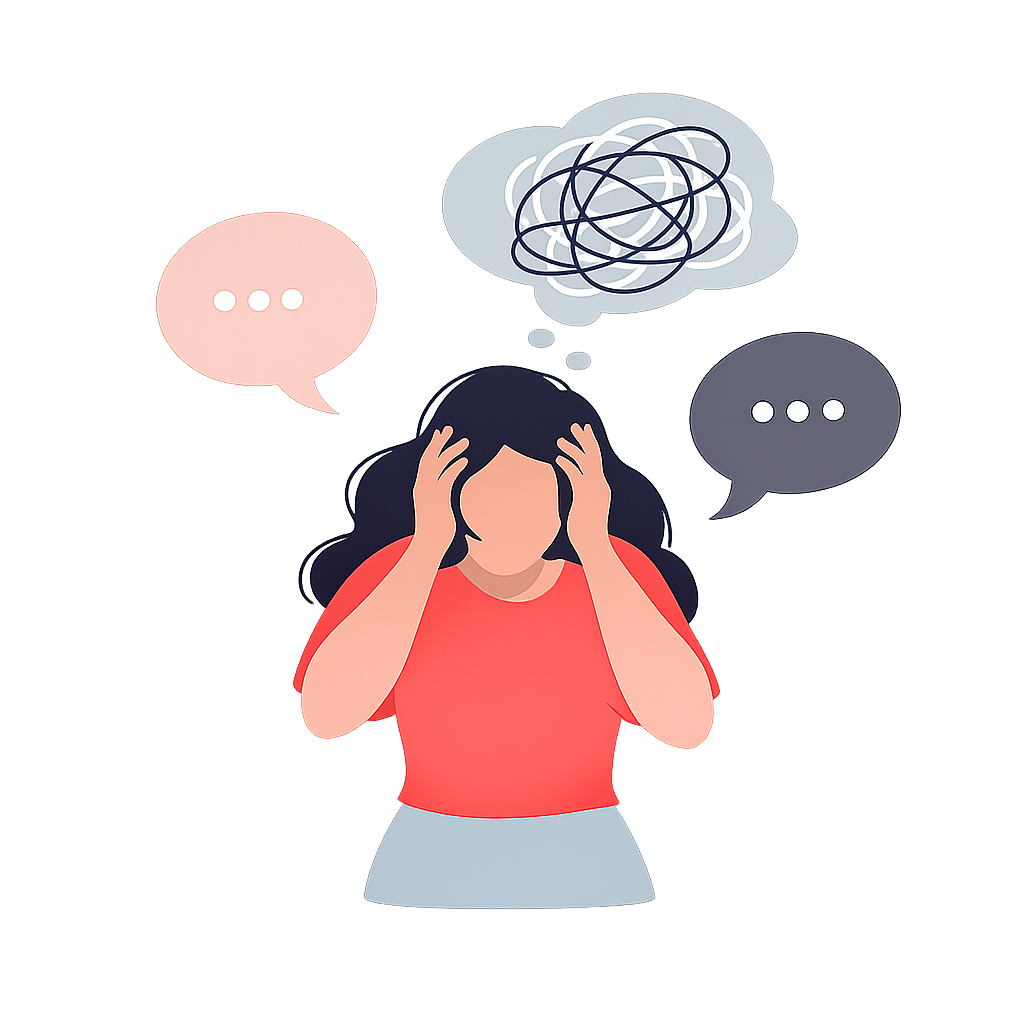
Anxiety can make us feel stuck in a pattern of worry. It makes us overestimate the problem and underestimate our ability to handle it. We can feel paralyzed by repetitive thoughts that cycle through the same fears, making us feel unable to move forward. Often, this stress about the future can feel productive when framed as planning. When it becomes over-thinking and takes up too much of our cognitive load, however, it becomes draining and counterproductive.
As someone searching for therapy for anxiety in Los Angeles, you should know that these feelings are more common than you think, and that anxiety disorders are highly treatable with the right support. Whether you are experiencing generalized anxiety, social anxiety, panic attacks, or the kind of anxious overthinking that never seems to quiet down, you deserve specialized care from a psychologist who understands the specific mechanisms behind it and how to treat it.
“What people think, believe, and feel affects how they behave. People not only gain understanding through reflection, they evaluate and alter their own thinking.”
– Albert Bandura

You Are Not Imagining It
Anxiety Looks Different to Each Person
“What if I can’t manage it?” “What if I’m not enjoying life as much as other people?” “I should keep planning what I’d do if that bad thing happened.” “Did they judge me for that?”
For some people anxiety is a constant background hum, like rumination or racing thoughts. For others it arrives in sharp episodes. Either way, anxiety disorders can cause many different physical illnesses and ailments, and they deserve treatment in the same manner. Just as we can’t reset a broken bone ourselves, we can’t simply stop feeling anxious.
This takes skill, training, and practice. It is not a matter of willpower, and it is not something you should expect yourself to solve alone.
Is This Familiar?
Signs It May Be Time to Reach Out
There is no threshold you have to cross before therapy is allowed. Plenty of my clients are functioning well by every external measure and are quietly exhausted by what it costs them. If several of these ring true, a free consultation is a low-stakes place to start.
You do not need a diagnosis to begin, and you do not need to have your situation neatly explained before you call. Working that out is part of what we do together and, rest assured, this is my area of expertise.
Anxiety Often Sounds Like This
- › You replay conversations for hours afterwards
- › Worry keeps you awake, or wakes you up
- › You avoid situations because of how they might feel
- › Your body carries it: muscle tension, headaches, stomach trouble
- › Reassurance or planning helps for an hour, then wears off
- › You are high functioning…and exhausted by the effort
My Core Specialty
Anxiety and ADHD: A Common Combination
One of my specialties is the anxiety that can go hand-in-hand with ADHD (studies estimate this occurs even up to 35% of the time). Sometimes anxiety can be motivating, which is why some people with ADHD procrastinate until a deadline looms to tackle the assignment. However, this can produce a vicious cycle of anxiety and ADHD symptoms exacerbating each other.
As a Certified ADHD Psychologist, I have extensive experience helping clients untangle these two conditions and build healthier, more sustainable ways of managing their responsibilities and goals.
Skills We Build Together
- › Identify the thought distortions behind anxious thoughts
- › Learn how to stop overthinking and over-analysis in its tracks
- › Recognize which internal voice is dominating (the critic?)
- › Choose which thoughts to challenge and which to actively dismiss
- › Develop a caring attitude toward yourself (nothing lowers our self-esteem and self-confidence quite like anxiety)
- › Make space for genuine self-care that works for your lifestyle
Personalized, Evidence-Based
How Will Therapy for Anxiety Change Your Life?
The techniques you will learn in therapy will help you identify the thought distortion behind your anxious thoughts, so you can learn to stop overthinking and over-analysis in its tracks, and replace them with a rational, calming, more realistic alternative.
There is a belief in contemporary modalities informed by Jungian theory that we have four voices inside us. The first key is to learn to recognize which internal voice is dominating your internal monologue. Often, this is our internal critic. Then, we learn how to take control back. We often can’t control the automatic thoughts that pop into our head. We can, however, control which ones we give attention to, which ones we challenge or ignore, and which ones we let grow into patterns of thought.
Anxiety and depressive disorders can also make it incredibly difficult to care for ourselves. Together, we will identify your strengths and utilize them to help you develop a more caring attitude towards yourself emotionally and physically. We’ll also discuss how you spend your time and how anxiety shows up in each context (and integrate a little self-care into it while we’re at it). After all, self-care rituals are like magic spells that rejuvenate your mind, body, and spirit.
There Is No One Size Fits All
My Approach to Anxiety Therapy
If Structure Helps You
CBT, DBT, and ACT
Cognitive Behavioral Therapy helps you identify and reframe the distorted thinking patterns underneath a difficult feeling. Dialectical Behavior Therapy adds practical tools for riding out intense emotion without acting on it. Acceptance and Commitment Therapy teaches you to make room for hard feelings while still moving toward the things that matter to you. Some clients respond quickly to structured techniques and benefit from their stabilizing, clearly laid out natures.
If You Want to Go Deeper
Psychodynamic, Relational, and Attachment-Based
Other clients benefit more from exploring where a pattern began. Psychodynamic and attachment-based work looks at how your earliest relationships shaped what you expect from people now, and relational therapy uses what happens between us in the room as live material. Many clients find a blend of both is exactly what they need, so we will collaborate and integrate from more structuring modalities as we go.

Getting Started
What to Expect in Your First Sessions
Starting therapy for the first time, or starting with a new therapist, can be a daunting process. I have been there. Making people feel comfortable and cared for while they open up about difficult and deeply personal topics is my specialty.
We begin with a complimentary 15-minute consultation. This is a chance for you to describe what you are hoping to get out of therapy, for me to make sure your needs are a good fit with my specialties, and for you to ask any questions about the process. There is no pressure and no obligation.
Once we’ve begun our work together, we will identify your symptoms, your treatment goals, your values, and your strengths. We will look at where the anxiety shows up, what it costs you, and which situations you have quietly organized your life around avoiding. From there, we build the personalized coping skills that make up the bulk of our work.
Two Paths Forward
Assessment or Therapy, or Both
If You Want Clarity First
Psychodiagnostic Assessment
If you are not sure whether what you are experiencing is anxiety, depression, trauma, OCD, or some combination of them, I offer comprehensive psychological assessment separately from therapy. A clear picture makes treatment more efficient and effective by making it far more targeted.
If You Are Ready to Begin
Anxiety Therapy
Once you are certain anxiety is the root of your issues, therapy for anxiety focuses on understanding where your worry stems from, learning practical skills to interrupt it, and rebuilding a life that is not quietly organized around avoiding or focused on coping with the things that cause you stress.
Credentials That Matter
Why Work with Dr. Shannon Thomas for Anxiety Therapy?
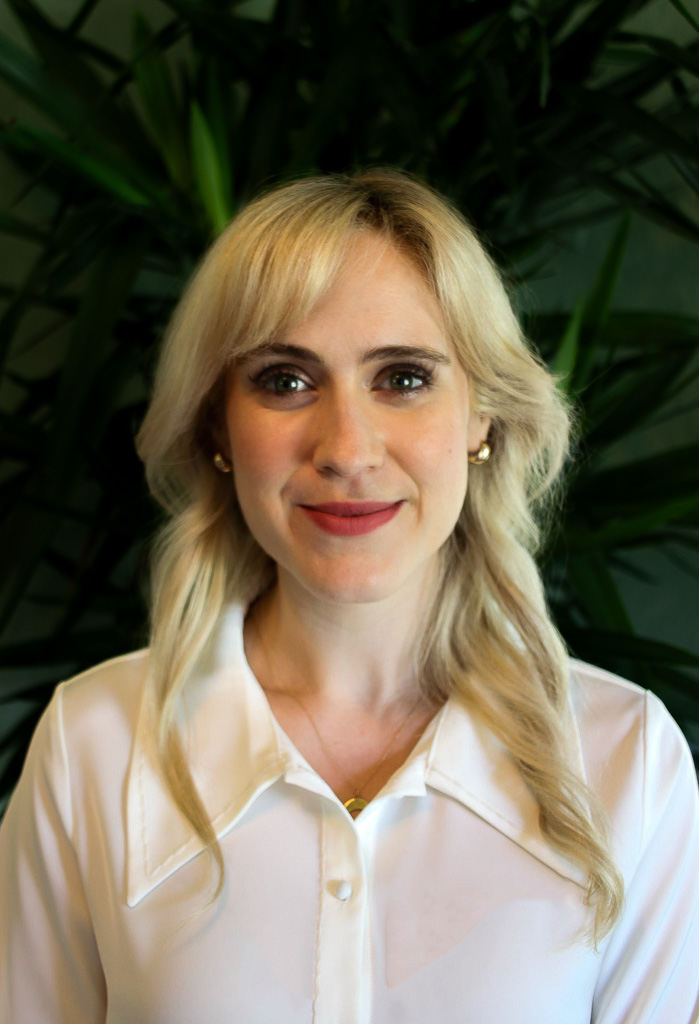
I am a licensed psychologist (Psy.D., PSY35186) in California with specialized training in anxiety treatment. I am also a Certified ADHD Psychologist and a Certified Sleep Therapist, both of which matter here, because anxiety rarely arrives on its own. It tends to travel with attention difficulties (and other issues with executive functioning, even if sub-clinical meaning a diagnosis of ADHD is not warranted) and/or with disrupted sleep.
Alongside my practice I teach graduate psychology courses and training workshops, and I serve as President of the San Gabriel Valley Psychological Association. Staying close to the teaching side of this field and remaining highly engaged as I collaborate with my fellow mental health professionals in the community is how I keep my clinical work current.
All sessions are conducted via telehealth on a HIPAA-compliant platform, so you can attend from anywhere in California, including my two most prominent areas: Los Angeles and Pasadena. I typically begin seeing new clients within one week of our consultation.
My fee is $290 per individual session and $345 for couples therapy. I provide superbills for out-of-network insurance reimbursement.

Common Questions
Frequently Asked Questions
Is therapy for anxiety available online in Los Angeles?
Yes. All sessions are conducted via telehealth using a HIPAA-compliant video platform. You can attend anxiety therapy from home, your office, or anywhere in California without needing to plan for a commute or find parking.
How long does therapy for anxiety typically take?
Many clients feel meaningful relief within a few weeks of learning new techniques, though it depends on the nature and intensity of your symptoms. Those with more chronic or complex anxiety benefit from months of work. We will tailor the pace and duration to your specific needs and treatment goals.
Do you treat anxiety related to ADHD?
Yes, and it is one of my core specialties. ADHD and anxiety frequently co-occur, and when they do they can amplify each other in ways that feel overwhelming. I have specific training and clinical experience in treating both conditions together rather than as two separate problems.
What kinds of anxiety do you work with?
Generalized anxiety, social anxiety, panic, health anxiety, performance anxiety, and the persistent overthinking that does not fit neatly into any category. Anxiety also frequently accompanies low mood, ADHD (executive functioning issues), sleep difficulty, and past trauma, and all of those are within my scope.
Do I need medication for my anxiety?
This is definitely not a given, and it is not my decision to make. I am a psychologist rather than a prescriber. Many clients do very well with therapy alone and some are uncomfortable with the notion of medication, while others benefit from a combination of therapy and meds. If medication seems worth exploring, I will discuss it openly with you and can coordinate with a prescribing provider.
Can therapy help with the physical symptoms of anxiety?
Often, yes. Muscle tension, headaches, digestive trouble, and disrupted sleep are frequently part of the anxiety picture rather than separate problems. As the underlying pattern shifts, many clients find the physical symptoms ease alongside it. As a Certified Sleep Therapist, sleep issues such as insomnia or poor sleep hygiene (frequent awakenings, “revenge bedtime,” etc.) in particular is something I can address directly.
When can we begin?
Usually within days to one week of our consultation. I know how hard it can be to take the first step and reach out for therapy, so I pride myself on beginning with new clients as soon as possible. This helps capitalize on the momentum and motivation you are experiencing, and lets us start alleviating your symptoms at the earliest possible date. Reach out ASAP as I offer my remaining slots on a first come, first serve basis.
How often will we meet?
Once weekly, at least to begin with. Meeting less often than that tends to turn therapy into a great deal of catch up rather than progress, and it is harder to track changes in your symptoms. As progress is made over time, you will be able to transition to every-other-week sessions, then monthly, and then only occasional check-ins.
Do I have to live in California?
Yes. Because I am licensed in California, you need to be located here to receive therapy from me. If you travel or are out of state for short periods, we may well be able to continue teletherapy, though that depends on the laws of the place you are visiting. Let me know your travel plans and I will check the regulations for you.
What is your fee?
$290 per individual session and $345 for couples therapy. These rates reflect the years of generalist education and specialist training behind the work, and the continued training I keep up so that I can draw on a wide range of modalities rather than applying one method to everybody.
Do you accept insurance?
Not directly, but I provide superbills for you to submit to your insurance for reimbursement. Many PPO plans cover all or a significant portion of out-of-network (OON) therapy after you meet OON your deductible. It is worth calling your insurer before our consultation to ask about your out-of-network benefits.
A note on the research on teletherapy: Choosing virtual therapy does not mean settling for less. Extensive empirical research conducted over the last few years has repeatedly demonstrated that telehealth is equally as successful as in-person therapy (Bellanti et al., 2022; Krzyzaniak et al., 2021). It has also shown that teletherapy holds a higher retention rate, and that therapeutic gains are maintained over time, whether you are seeking therapy for anxiety, depression, ADHD, relationship issues, or other such disorders (American Psychological Association, 2020; Abrams, 2020).
Schedule a Free Consultation
I’m so glad you’re here. Let’s talk.
Call to schedule a free 15-minute first session to learn how I work and ask any questions you may have about the process. If I’m with another patient when you call, please leave a voicemail with your availability so I can call you back.
(626) 784-7115
therapy@drshannonthomas.com